
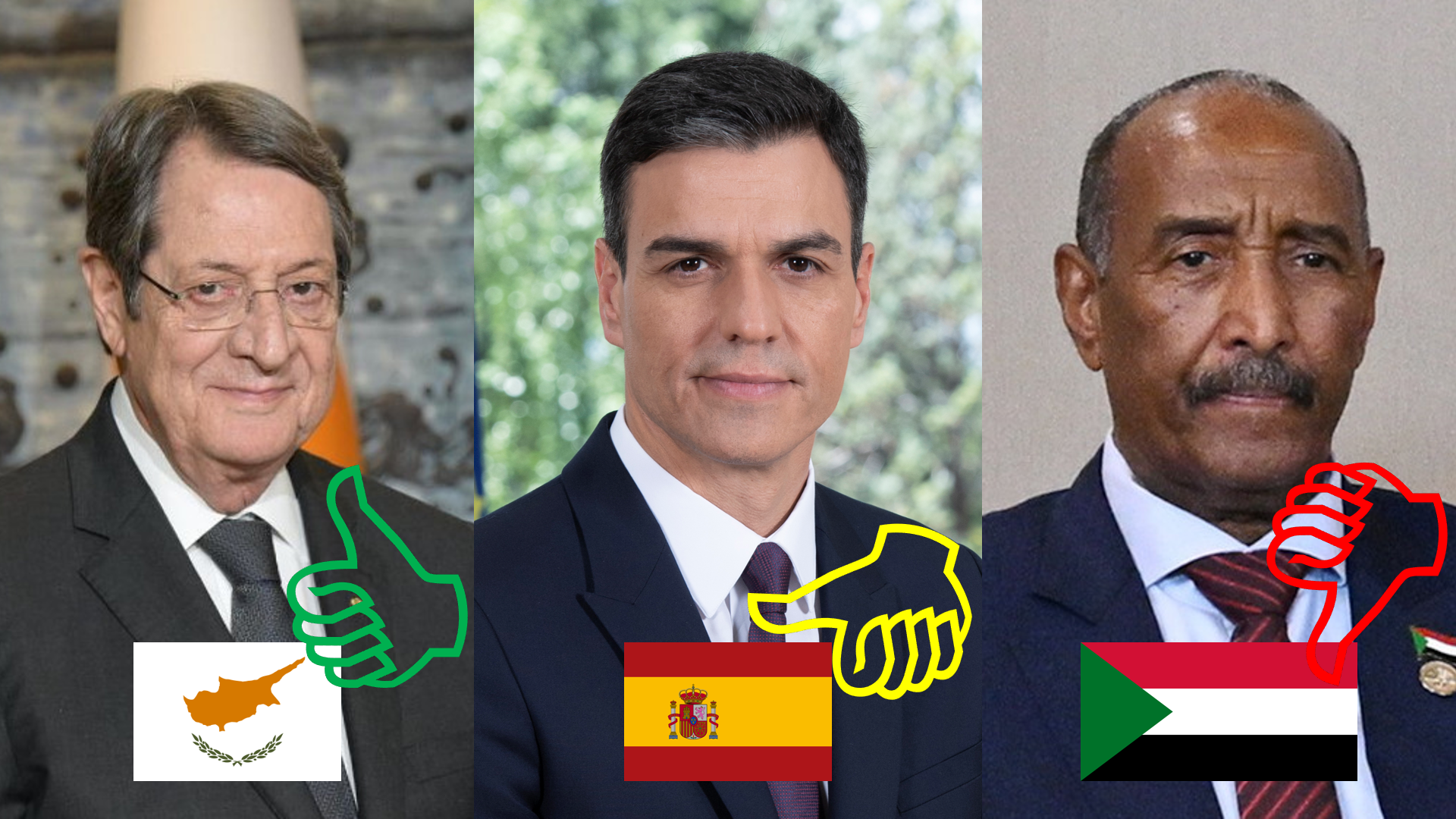
Europe: Cyprus’ new role in Gaza talks
Theo Brighton
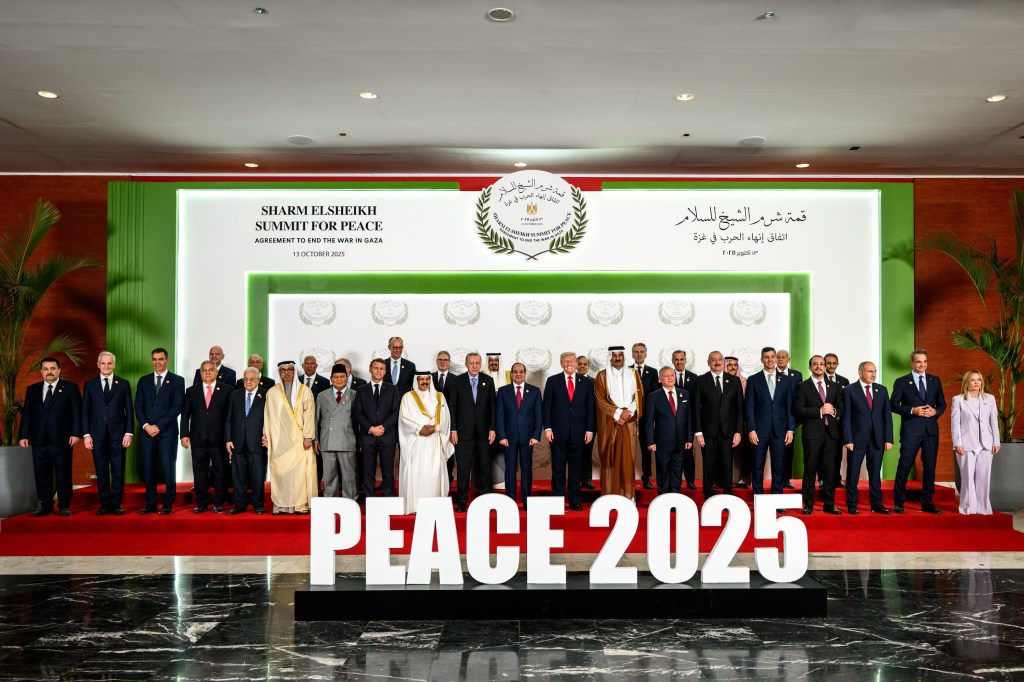
President Nikos Christodoulides of the Republic of Cyprus attended a peace summit in Sharm El-Sheikh, Egypt, on 13 October, where world leaders discussed the future of Gaza under Donald Trump’s 20-point peace plan. Trump’s peace plan served as the catalyst for ending the Israel–Gaza conflict.
Christodoulides was invited by President Trump, describing the invitation as “a recognition of the role of the Republic of Cyprus in the region.” He was referring to Cyprus’s ongoing humanitarian support for Gaza, particularly through its cooperation with the United Arab Emirates (UAE).
Cyprus and the UAE have worked closely through the Amalthea Plan, Cyprus’s maritime humanitarian aid corridor to Gaza. President Mohamed bin Zayed Al Nahyan of the UAE and Christodoulides most recently collaborated in August and September of this year, delivering 1,200 tonnes of aid to Gaza.
Following his invitation to the summit, Christodoulides spoke with Al Nahyan, expressing his support for the peace plan.
Leaders from 22 countries attended the summit. Christodoulides reaffirmed his hopes for Cyprus to contribute to Gaza’s reconstruction, stating that the country has “a specific plan which we will develop… in relation to the reconstruction of Gaza.”
While the summit’s main focus was on the future of Gaza, it also served as a platform for diplomacy among the 22 participating nations, including Cyprus. It allowed President Christodoulides to reinforce Cyprus’s position as a crucial geostrategic link between Europe and the Middle East, demonstrated through its partnership with the UAE.
Europe: Pedro Sánchez’s surprise poll success
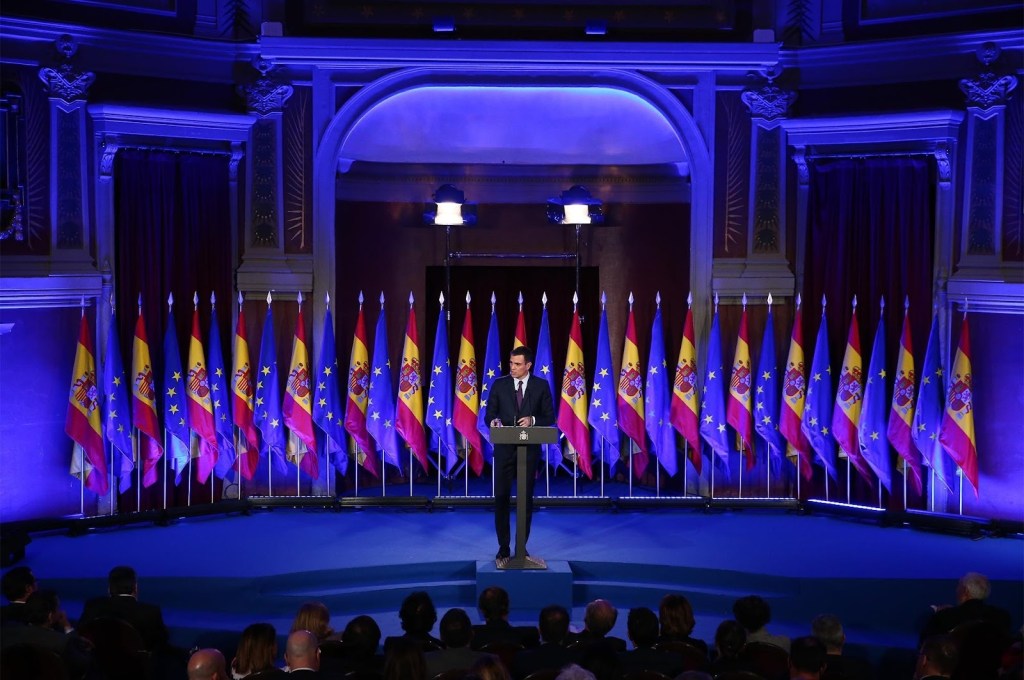
A never-ending corruption scandal, heavy suspicions of a network of illegal financing worth millions of euros, plus low support for coalition partners would seem like a disaster for the ratings of Spanish Prime Minister Pedro Sánchez. As it turns out, he’s doing surprisingly well.
The well-publicised corruption scandal surrounding the governing PSOE party has dented its polling ratings, failing to win consistently since 2023. However, a not-insignificant minority of pollsters are now putting the PSOE, in power since 2018, in first place, suggesting any coalition between the centre-right PP and the far-right Vox would struggle to make a majority.
The PP’s credibility was dealt a heavy blow in the summer following revelations that during its period in government in the 2010s, then-Finance Minister Cristóbal Montoro had received up to €11 million from energy companies over six years, allowing them heavy access to ministers and government officials.
The far-right Vox party, whose origins lie in the PP’s government not going right-wing enough in 2014, has gained voters from simply not being the other two. As many as 40% of young voters, according to one survey, plan to vote for them. That isn’t due exclusively to campaigning against the two main parties, but also addressing concerns such as high rents, stagnating wages and unavailability of housing.
The PSOE has rightly taken credit for high economic growth under its premiership, and Sánchez continues to rate as the most popular party leader, but many young people are still feeling the pinch. Speculation has been mounting about a possible snap election (Sánchez continually stated they will happen as planned in 2027), yet any result would, just like the previous snap elections in 2023, be a coin toss.
Yet as we go to press, not much is going swimmingly for Sánchez. Junts per Catalunya, the Catalan separatist party which gave him the keys to La Moncloa, has retracted its support for the governing coalition. He wants to stay in power as a minority government until 2027, yet may find that harder to achieve than he thinks.
Africa: War, Famine and Foreign Footprints in Sudan
Kaïla Nkufo
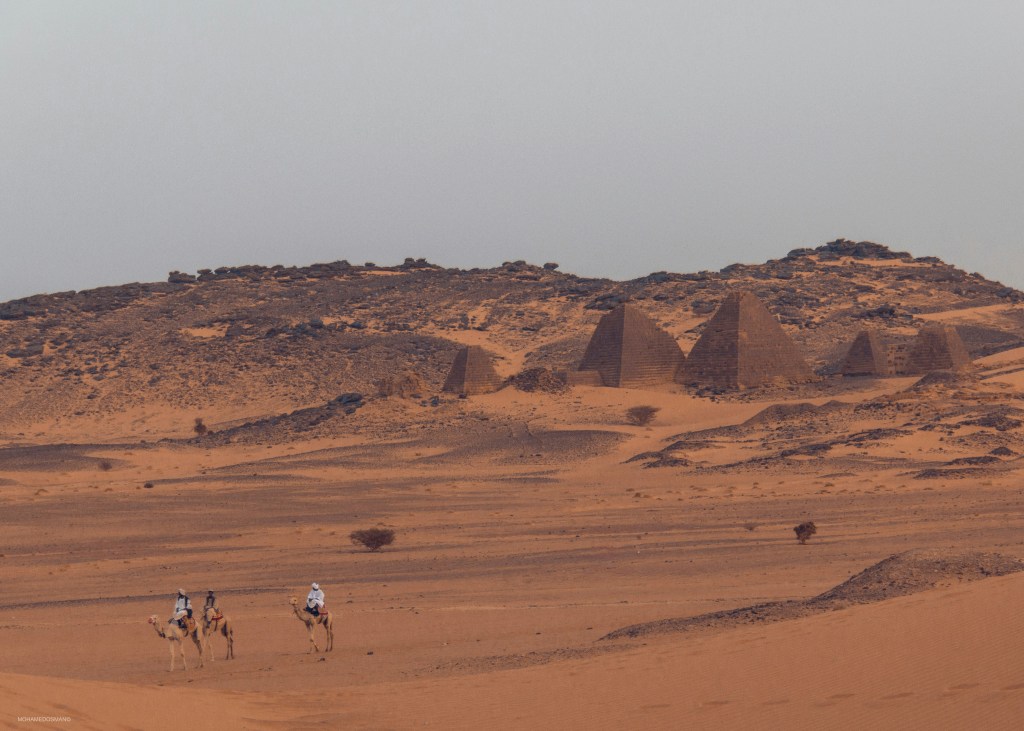
Sudan is moribund under a war driven by greed and foreign interests. What began in April 2023 as a power struggle between Sudanese Armed Forces and the Rapid Support Forces (RSF) has evolved into a campaign of extermination. The RSF, born from the Janjaweed militias of Darfus, is carrying out ethnic cleansing against non-Arab Sudanese, with towns burned and mass graves uncovered – their
blood-red scars visible even from satellite images.
The UAE is funding and arming the RSF in exchange for access to Sudan’s gold reserves, turning human suffering into economic leverage. Gold from Sudan flows through Dubai while Sudanese families starve, are executed, and are subject to mutilation.
This foreign exploitation, a recurring theme across Africa, has prolonged the war and empowered militias to commit atrocities while civilians pay the price. The humanitarian cost is staggering: 375,000 face Level 5 famine, while over 21 million suffer from severe food insecurity. Over 14 million – 25% of the population – are displaced: 9.58 million internally and 4.34 million forced into neighboring countries. Cities like Khartoum and El Fasher are bombed into silence; aid is blocked, hospitals are destroyed. An estimated 150,000 have been killed and 522,000 children have died from malnutrition, though the true toll is likely far higher.
Sudan’s war is an international crime scene where gold finances atrocity. The world’s indifference and the UAE’s complicity expose a brutal truth: Sudan isn’t dying from war, but from a global order that trades conscience for profit.
 York Global Affairs