
Africa
Donkey skin trade to be abolished across the continent
by Freddie Weaver
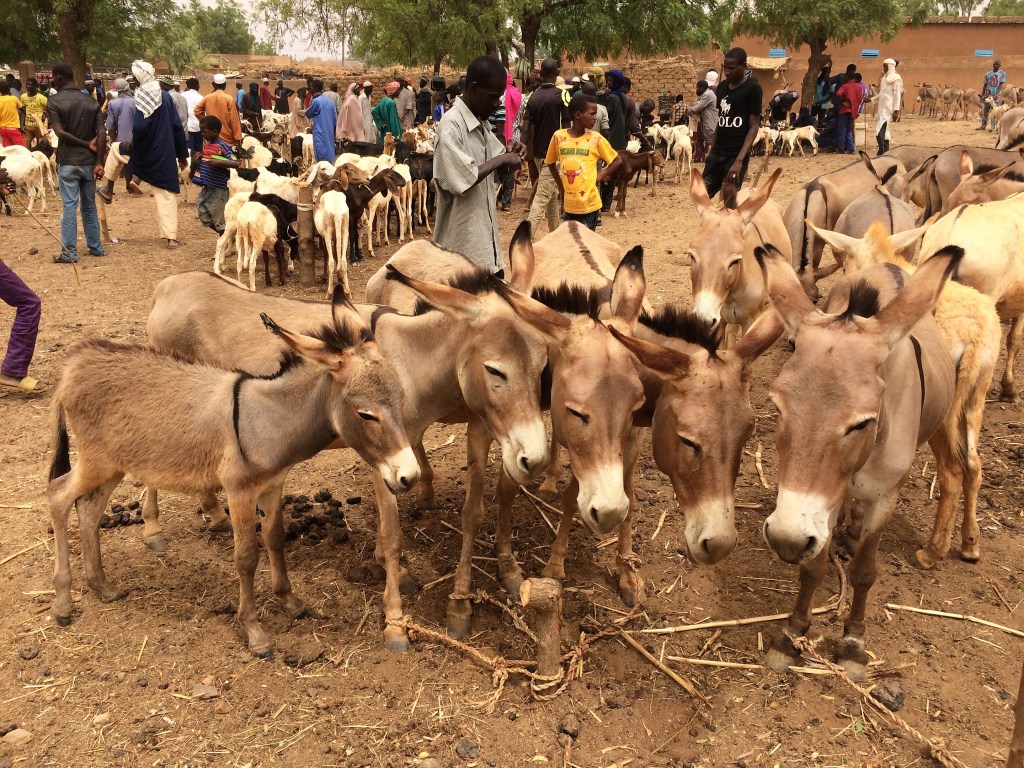
African state leaders have agreed to a landmark decision to ban the slaughter of donkeys across the African continent, following conclusions made at the end of the African Union summit in Ethiopia on 18 February.
Thousands of donkeys have been slaughtered legally for their skin across Africa for a number of years, and much of this skin trade has been dominated by Chinese demand for ejiao, a gelatine used in traditional Chinese medicine that comes from boiled down donkey hides. Media outlets have described the African donkey population as having been ‘decimated’ by demand for ejiao, despite there being no evidence of its claimed anti-ageing and health benefits.
The approximately 33 million Donkeys on the continent are vital to some of the poorest and rural African communities that rely on them for travel and carrying essential goods such as food and water. It is hoped that the ban will not only help to prevent the stealing, trafficking and slaughtering of donkeys, but also help to protect the lives of the communities who face a life of extreme poverty without them.
Europe
Norway steps up defence commitment amidst frosty relations with its eastern neighbour
by Harvey Young
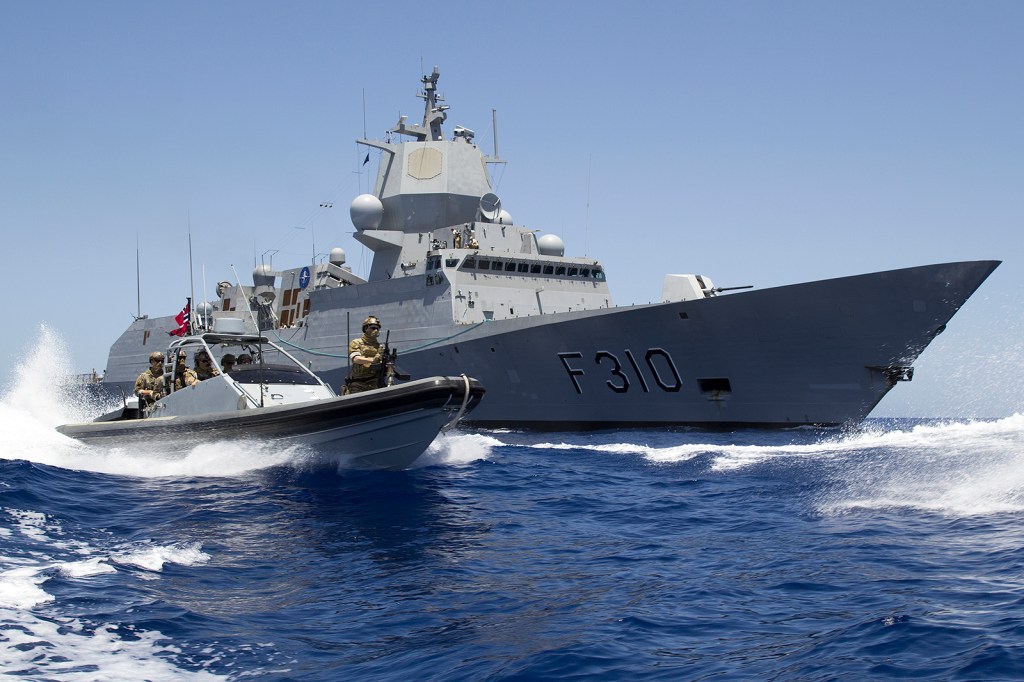
Norwegian Prime Minister Jonas Gahr Stoere has announced on 17 February that his country, a NATO member, is committed to raising defence spending amongst a broader international conversation about NATO members’ defence commitments. Norway also announced a commitment to acquire state-of-the-art submarines to strengthen its naval capabilities in the Arctic region. In 2023, Norway committed to reaching NATO’s two percent of GDP target by 2026. However, following recent comments by US presidential candidate Donald Trump, there has been more impetus on NATO’s European members reducing military dependence on America.
Norway has a special interest in boosting its military capabilities as it shares a border with Russia in the far north, with it being the only NATO member bordering Russia to not meet the two percent defence spending target. Recent reports from its intelligence agencies identified Russia as Norway’s main threat, with the report highlighting the threat posed to Norway’s gas, oil and underwater infrastructure. Highlighting these tensions, on 13 February the Russian deputy Prime Minister Yury Trutnev warned Norway against infringing the rights of Russians living on the Norwegian-owned Svalbard archipelago.
It remains unclear how this often overlooked theatre of the NATO-Russia confrontation will develop in light of this.
Oceania
Tuvalu-Australia Climate Deal At Risk
By Aidan O’Connor
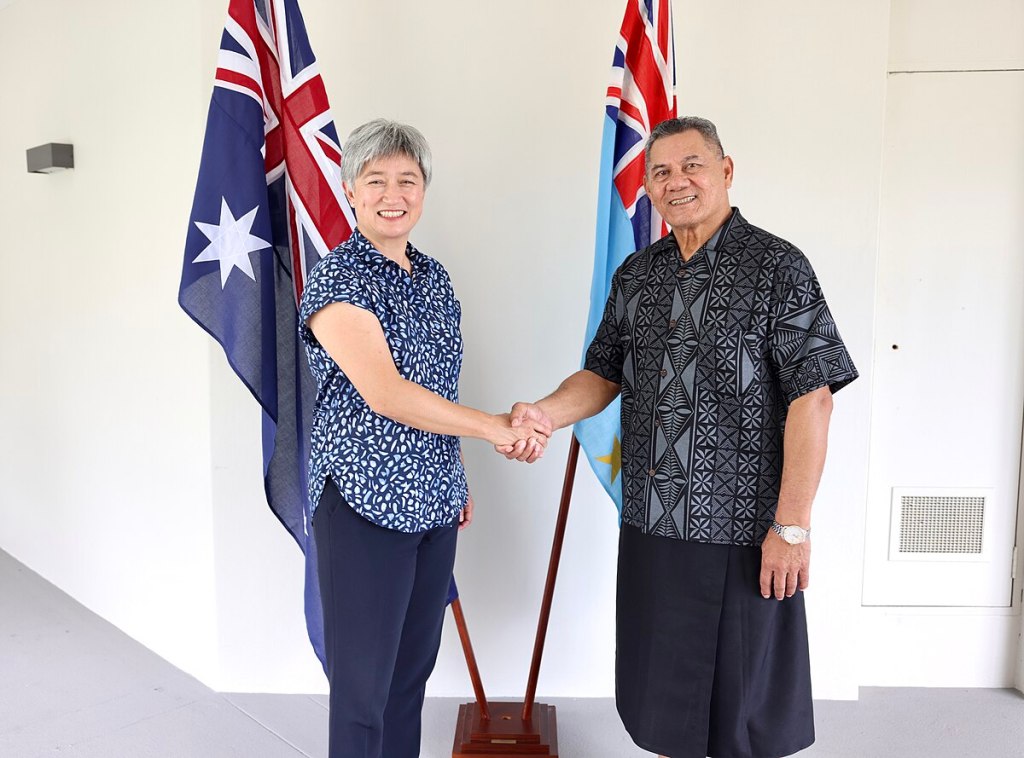
A landmark climate migration deal agreed by Tuvalu and Australia back in November is now at risk of collapse following Tuvalu’s elections in January. The elections saw Tuvalu Prime Minister Kusea Natano, who signed the agreement with Australia, lose his seat. In the aftermath, Andrew Shearer, head of the Australian Office of National Intelligence (ONI), expressed concerns that the small Pacific island nation could now drift closer diplomatically towards China and away from Australia.
The climate migration deal between Tuvalu and Australia intends to offer vital pathways for Tuvalu’s population to live, study, and work in Australia in light of the low-lying nation’s vulnerabilities to the rising sea levels caused by climate change. However, the deal depends on the condition that Tuvalu gives Australia a say on all security and defence-related affairs, essentially giving Australia a veto on any arrangements with China. With a key figure from the climate migration deal now out of power, the critical landmark deal’s fate remains unclear.
South America
Brazil recalls ambassador in row with Israel
By Nadia Ronnoco
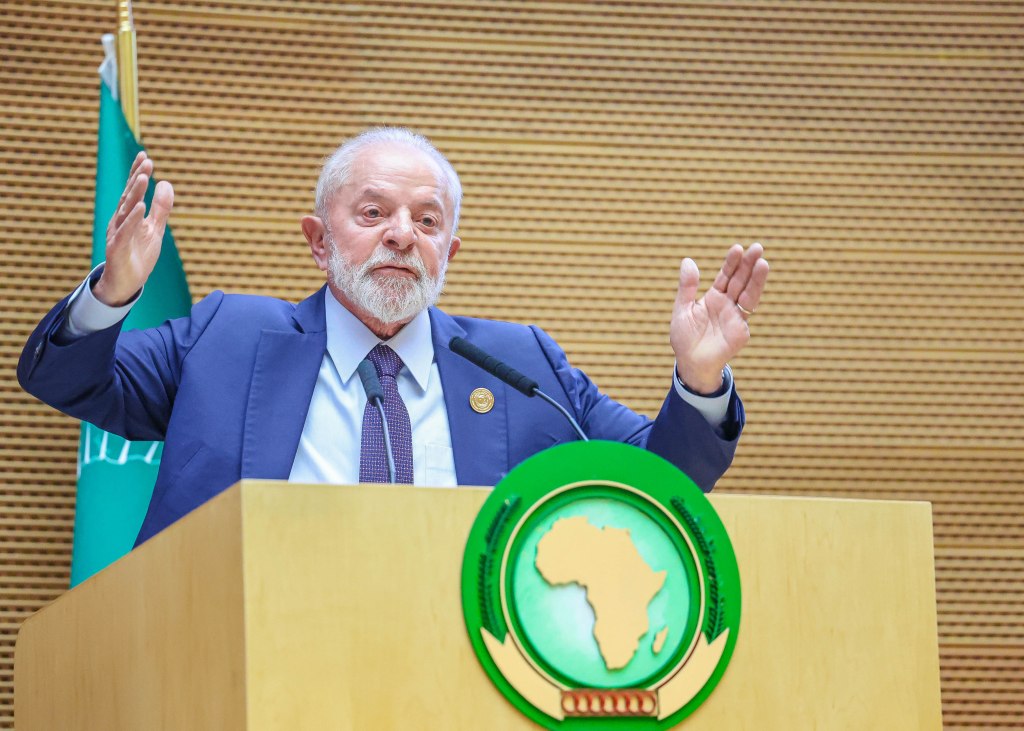
Image Credit: Ricardo Stuckert (Flickr)
Brazil has recalled its ambassador to Israel in a row over comments made by Brazilian President Lula Da Silva comparing Israel’s actions in Gaza to the Holocaust. Speaking On 18 February, Da Silva said ‘What’s happening in the Gaza Strip with the Palestinian people hasn’t happened at any other moment in history. Actually, it has happened: when Hitler decided to kill the Jews’. The remarks caused outrage in Israel, with Israeli Foreign Minister Israel Katz stating that Da Silva was not welcome in the country until a retraction was made, branding his remarks as anti-Semitic. Domestically, Da Silva also received backlash from the Brazil-Israel Institute, which labelled his comments as ‘vulgar’.
The left-wing president has frequently condemned the Israeli state, which has been responsible for the deaths of thousands of men, women, and children in Gaza since its declaration of war on Hamas following the 7 October terror attacks. Da Silva’s comments follow Israeli Prime Minister Benjamin Netanyahu’s decision to enact a ground invasion of Rafah, Gaza’s southernmost city now containing 1.5 million people who fled the north of the Gaza Strip. With relations at an all-time low, reconciliation between Brazil and Israel seems unlikely.
 York Global Affairs